
Embark on a journey through the realm of Magento E-Commerce Development with a focus on best practices. This guide is designed to provide valuable insights and tips to enhance your development process.
Delve into the world of Magento E-Commerce Development as we explore key elements and strategies for success in this dynamic field.
Introduction to Magento E-Commerce Development
Magento E-Commerce Development refers to the process of creating and customizing online stores using the Magento platform. This powerful and flexible e-commerce solution allows businesses to set up their online presence, manage products, process payments, and handle various other aspects of online selling.Following best practices in Magento development is crucial for ensuring the success and efficiency of an e-commerce website.
By adhering to these guidelines, developers can create a secure, reliable, and user-friendly online store that delivers a seamless shopping experience to customers.
Key Elements in Magento E-Commerce Development
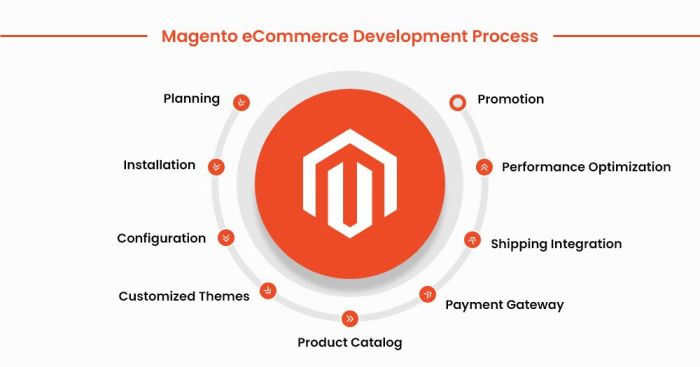
- Customization of Themes and Templates: Designing a visually appealing and responsive website layout that reflects the brand identity.
- Product Management: Organizing and categorizing products, setting up attributes, and managing inventory effectively.
- Payment Gateway Integration: Implementing secure payment options to facilitate smooth transactions.
- Optimization: Optimizing the website for search engines to improve visibility and attract more organic traffic.
- Performance Optimization: Enhancing website speed, reducing loading times, and ensuring a smooth user experience.
Setting Up a Development Environment
Setting up a local development environment for Magento is crucial for efficient and effective e-commerce development. It allows developers to test changes and new features before deploying them to the live site. Here are the steps to set up a local development environment for Magento:
Installing Magento Locally
- Download and install a local server environment like XAMPP or WAMP on your computer.
- Download the Magento installation package from the official website.
- Extract the Magento files into the root directory of your local server.
- Create a MySQL database for Magento and configure the Magento installation.
- Run the Magento installer and follow the on-screen instructions to complete the installation.
Version Control Systems
Version control systems like Git play a vital role in Magento development by allowing developers to track changes, collaborate with team members, and revert to previous versions if needed. By using version control, developers can maintain a history of code changes and ensure seamless collaboration within the development team.
Importance of Staging Environment
- A staging environment is a replica of the live site where developers can test new features, updates, and changes before deploying them to the production site.
- Having a staging environment reduces the risk of errors and bugs on the live site, as developers can thoroughly test the changes in a controlled environment.
- Staging environments also allow stakeholders to review and approve changes before they go live, ensuring a smoother deployment process.
Theme Development and Customization
When it comes to Magento e-commerce development, theme development and customization play a crucial role in creating a visually appealing and user-friendly online store. Let's delve into the best practices for developing and customizing themes in Magento, along with the importance of responsive design in Magento theme development.
Importance of Responsive Design
Responsive design is essential in Magento theme development as it ensures that your online store looks and functions seamlessly across various devices, including desktops, tablets, and smartphones. This adaptability is crucial in providing a consistent user experience and maximizing conversions.
Tools and Techniques for Theme Customization
There are several tools and techniques used for theme customization in Magento. Some of the common ones include:
- Magento Theme Editor: Magento provides a built-in theme editor that allows developers to modify the look and feel of their store directly from the admin panel.
- CSS Preprocessors: Using CSS preprocessors like SASS or LESS can streamline the process of styling and customizing Magento themes.
- Template Overrides: By creating custom template files, developers can override default Magento theme files to implement specific design changes.
- JavaScript Libraries: Utilizing JavaScript libraries like jQuery can enhance the interactivity and functionality of Magento themes.
Extension Development and Integration

Developing custom extensions for Magento involves creating additional functionality or features that are not available in the core system. This allows for customization and tailoring of the e-commerce platform to meet specific business needs. When it comes to integrating third-party extensions into Magento, it is essential to follow best practices to ensure seamless compatibility and optimal performance.
Testing extensions thoroughly before implementation is crucial to avoid any conflicts or issues that may arise.
Custom Extension Development
Custom extensions can be developed using Magento's architecture and coding standards. It is important to follow the Magento extension development guidelines to ensure the extension is secure, scalable, and maintainable. This includes creating proper documentation, adhering to coding best practices, and testing the extension thoroughly before deployment.
Integrating Third-Party Extensions
Integrating third-party extensions into Magento requires careful consideration of compatibility and performance. It is recommended to choose extensions from reputable sources and ensure they are regularly updated to align with Magento's latest versions. Testing the integration of third-party extensions in a development environment before deploying them to a live site is essential to identify any conflicts or issues that may arise.
Importance of Testing Extensions
Testing extensions for compatibility and performance is crucial to ensure they function as intended and do not disrupt the overall functionality of the e-commerce site. Conducting thorough testing, including integration testing and performance testing, helps identify any issues or conflicts early on, allowing for timely resolution and a smooth user experience.
Performance Optimization
Performance optimization is crucial for Magento websites to ensure a smooth user experience and improve site speed. By implementing various strategies, caching mechanisms, and optimizing images, you can enhance the overall performance of your e-commerce platform.
Strategies for Optimizing Performance
- Enable Flat Catalog: By enabling flat catalog, you can reduce the number of database queries, resulting in faster loading times for category pages.
- Optimize MySQL Database: Regularly clean up unnecessary data, optimize database tables, and use indexes to improve database performance.
- Minify CSS and JavaScript: Minifying CSS and JavaScript files can reduce file sizes and speed up loading times.
Caching Mechanisms and Techniques
- Full Page Cache: Implementing a full-page cache can significantly reduce server load and improve site speed by storing fully rendered pages for faster retrieval.
- Varnish Cache: Utilize Varnish cache to cache HTTP requests and responses, reducing server response time and improving overall performance.
Optimizing Images for Better Performance
- Compress Images: Use image compression tools to reduce the file size of images without compromising quality, resulting in faster loading times.
- Lazy Loading: Implement lazy loading to defer the loading of images that are not immediately visible, improving page load times.
Security Best Practices
When it comes to Magento E-Commerce Development, ensuring the security of your website is crucial to protect sensitive data and maintain the trust of your customers. By identifying common security vulnerabilities and implementing best practices, you can safeguard your Magento website against cyber threats and potential attacks.
Regular security audits and updates are essential to keep your site secure and up to date with the latest security measures.
Common Security Vulnerabilities
- SQL Injection: Attackers can manipulate SQL queries to gain unauthorized access to your database.
- Cross-Site Scripting (XSS): Malicious scripts are injected into web pages viewed by users, compromising their data.
- Brute Force Attacks: Hackers attempt to crack passwords by trying different combinations until they succeed.
- File Upload Vulnerabilities: Malware can be uploaded to your server through insecure file upload functionalities.
Best Practices for Security
- Use HTTPS: Encrypt data transmission between the browser and the server to prevent interception.
- Implement Two-Factor Authentication: Add an extra layer of security for user logins.
- Regularly Update Magento and Extensions: Keep software up to date to patch vulnerabilities.
- Restrict Admin Access: Limit access to sensitive areas of the website to authorized personnel only.
Importance of Regular Security Audits and Updates
Regular security audits help identify vulnerabilities and weaknesses in your Magento website, allowing you to take proactive measures to address them. Updating Magento and extensions regularly ensures that you have the latest security patches installed, reducing the risk of exploitation by cyber attackers.
and Marketing Considerations
When it comes to Magento e-commerce development, optimizing your website for search engines and implementing effective marketing strategies are crucial for driving traffic and increasing conversions.
-friendly URLs and Meta Tags
One of the key aspects of in Magento is ensuring that your website has -friendly URLs and meta tags. These elements provide search engines with valuable information about your site's content, helping to improve its visibility and ranking.
- Use descriptive s in your URLs to make them more user-friendly and easier for search engines to crawl.
- Optimize meta tags, including meta titles and descriptions, with relevant s to improve click-through rates from search engine results pages.
- Regularly update and review your URLs and meta tags to align with your current content and target audience.
Integration of Marketing Tools and Analytics
Integrating marketing tools and analytics into your Magento website is essential for tracking performance, analyzing user behavior, and making data-driven decisions to optimize your online presence.
- Utilize tools like Google Analytics to monitor website traffic, conversion rates, and user engagement metrics.
- Implement marketing automation tools to streamline campaigns, personalize user experiences, and improve customer retention.
- Track key performance indicators (KPIs) such as bounce rate, average session duration, and conversion rates to measure the effectiveness of your marketing efforts.
Last Point

In conclusion, Best Practices in Magento E-Commerce Development play a crucial role in ensuring the efficiency and effectiveness of your projects. By following these guidelines, you can elevate your development process and create exceptional online experiences for your users.
Key Questions Answered
What are the benefits of following best practices in Magento E-Commerce Development?
Following best practices ensures code quality, scalability, and long-term maintainability of your Magento projects.
How important is responsive design in Magento theme development?
Responsive design is crucial as it ensures your Magento store looks and functions well across various devices, enhancing user experience.
What are some common security vulnerabilities in Magento E-Commerce Development?
Common vulnerabilities include SQL injection, cross-site scripting (XSS), and inadequate data validation.
How can I optimize the performance of my Magento website?
You can optimize performance by implementing caching, reducing HTTP requests, and optimizing images to enhance loading speed.




![12 Ventajas de usar Magento para Crear tu Tienda Online [Infografía]](https://market.radartasik.id/wp-content/uploads/2025/08/Magento-para-tienda-online-1-120x86.png)